Human-Centered Design
Designing for Real Life, Not Perfect Users
Why great UX is built around messy real-world behavior rather than ideal user journeys.

The Problem With Ideal Users
Most products are designed for calm environments that rarely exist.
Perfect lighting. Fast internet. Focused attention. Users who read instructions and move logically from step one to step two.
Real users do none of this.
They interact with products while multitasking, stressed, distracted, or tired. They switch between apps, lose connection, forget decisions, and abandon tasks halfway through.
Design failures often come from designing for ideal behavior instead of real behavior.
The gap between laboratory usability and everyday usage is where friction lives.
Context Is Part of the Interface
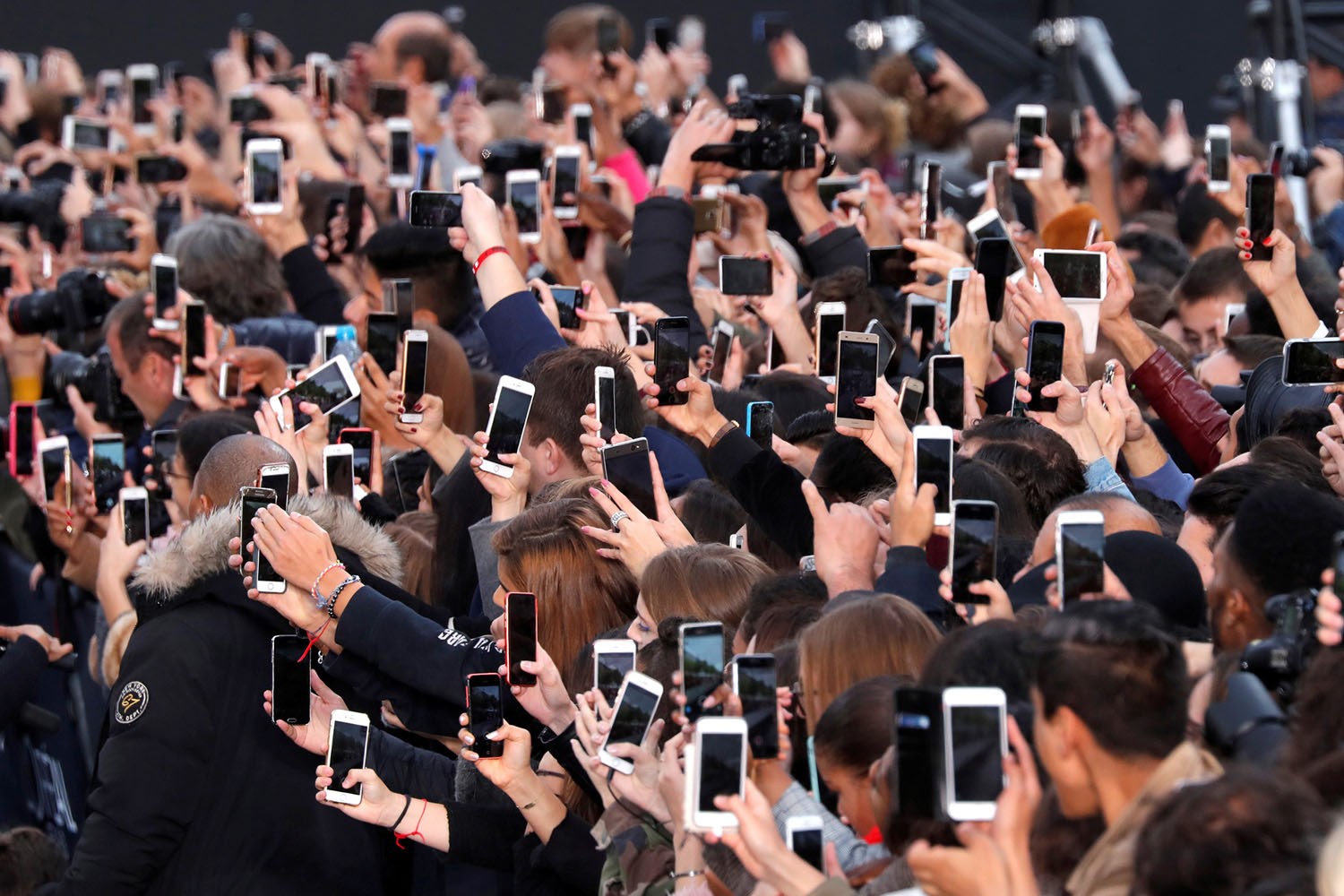
UX is not only screens and flows. It includes everything surrounding the moment of use.
A payment experience inside a noisy airport carries different emotional pressure than the same flow at home. A navigation interface used under sunlight behaves differently than one tested indoors.
When designers ignore context, usability becomes fragile.
Designing for reality means considering:
interruptions
low attention spans
emotional states
physical movement
accessibility variations
Accessibility is not a special requirement. It reflects everyday human conditions.
At some point, everyone becomes an edge case.
Designing for Imperfection
Good design assumes mistakes will happen.
Autofill exists because memory fails. Progress indicators exist because uncertainty creates anxiety. Undo actions exist because users explore.
The goal is not preventing human error but supporting recovery.
Products succeed when they forgive users.
What Designers Should Do Differently
Instead of asking whether users understand the interface, ask whether the interface survives real life.
Observe people outside controlled environments. Watch how products behave during distractions. Test flows under imperfect conditions.
Design maturity begins when designers stop optimizing journeys and start understanding situations.
Real life is messy. Useful design embraces that mess.